What is included in a Sri Lanka cultural tour? +
A private cultural tour combines ancient cities and royal capitals, cave and living temples, colonial architecture, and local life — food, markets, crafts, and village experiences — with a private chauffeur-guide, comfortable hotels, and a guide to explain the history and context of each place.
What is the best time for a Sri Lanka cultural tour? +
The Cultural Triangle and Kandy can be visited in many months, with daily timing planned around heat, rain, and site opening times. Cultural routes that end on the south and west coast suit December to April, while routes continuing to the north and east — Jaffna, Trincomalee, and Batticaloa — are especially good from May to September.
Can this tour include Jaffna and the east coast? +
Yes. The route can be extended north to Jaffna and east to Trincomalee and Batticaloa, which works especially well from May to September. These regions add Tamil heritage, distinct cuisine, and east-coast culture, with somewhat longer drives.
Are cultural sites suitable for children or older travellers? +
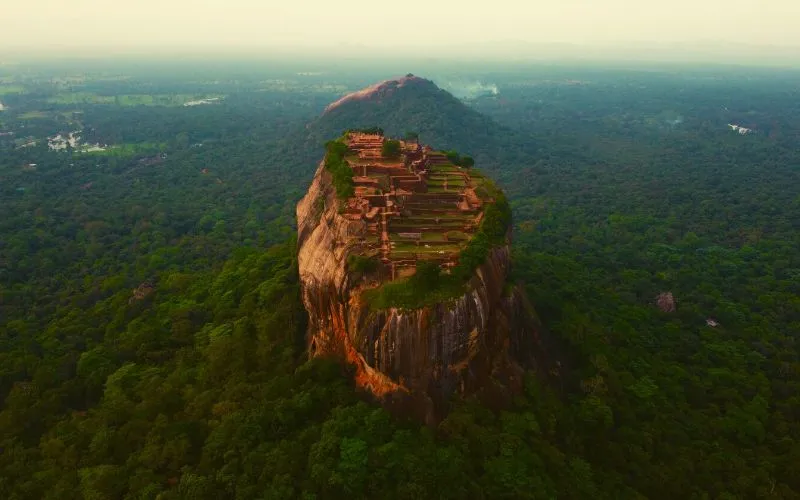
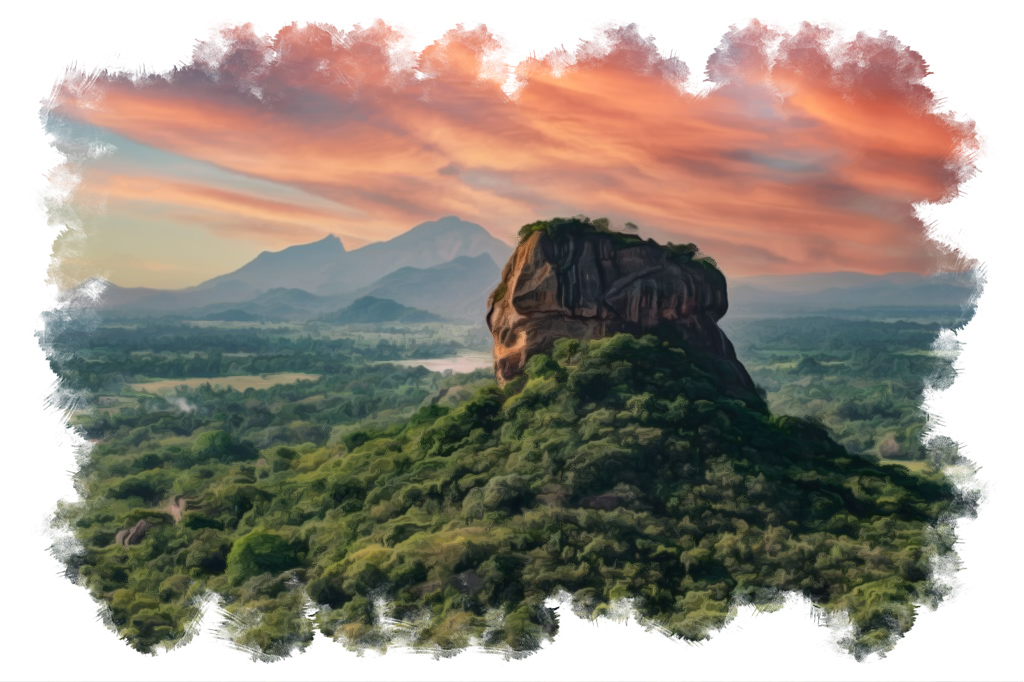
Yes, with sensible pacing. Most sites can be enjoyed with short walks, and steep climbs such as Sigiriya are optional, with alternatives like Pidurangala or a viewpoint. Touring is timed for cooler hours and the pace can be softened for families or older couples.
How much walking is involved? +
It varies by site and can be adjusted. Ancient cities such as Polonnaruwa and Anuradhapura are largely explored by vehicle with short walks, while some temples and rock sites involve steps and uneven ground. Walking can be reduced wherever you prefer.
What should I wear when visiting temples? +
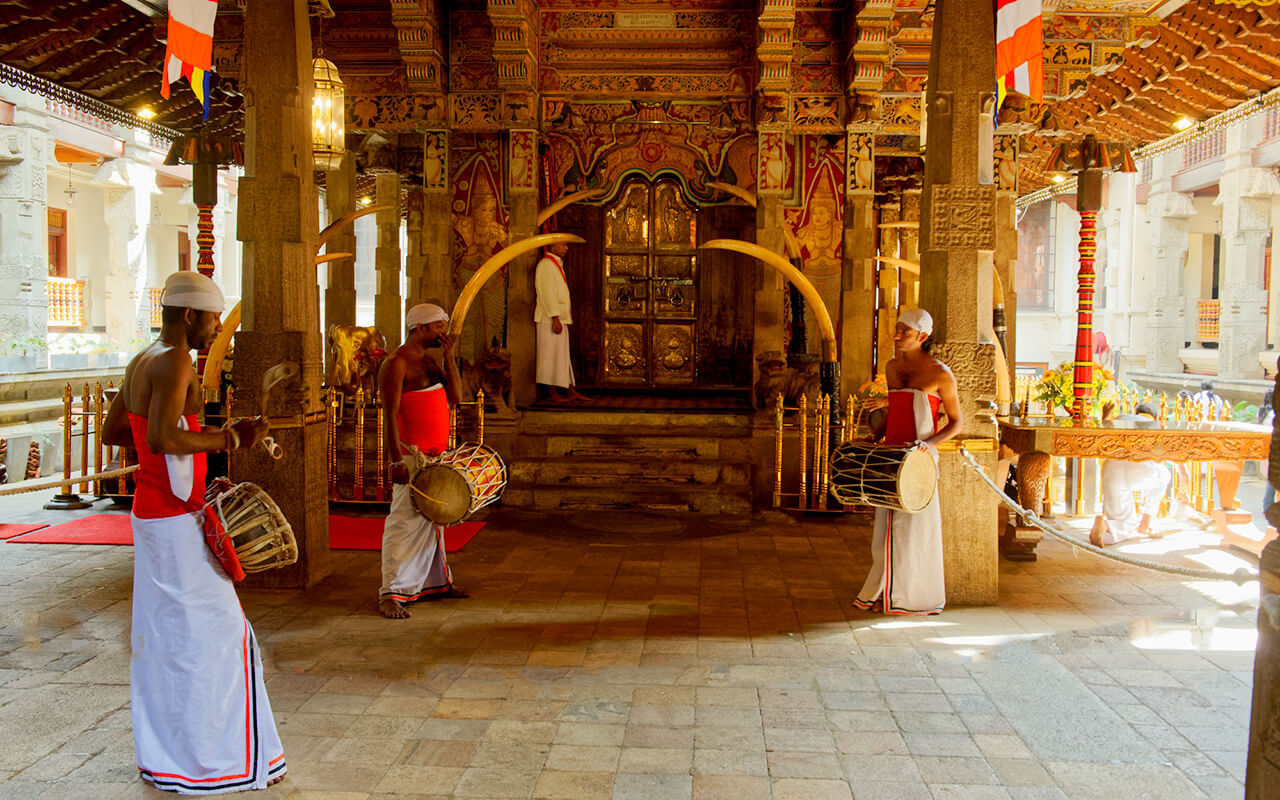
Temples require respectful dress — shoulders and knees covered for both men and women — and shoes and hats are removed before entering. Loose, light clothing and easy-to-remove shoes are practical, and a scarf or sarong is useful to have on hand.
Can the route include beach time? +
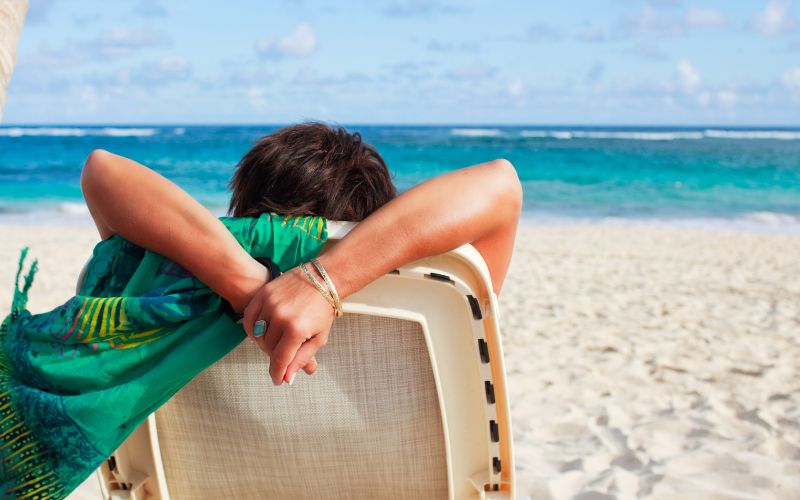
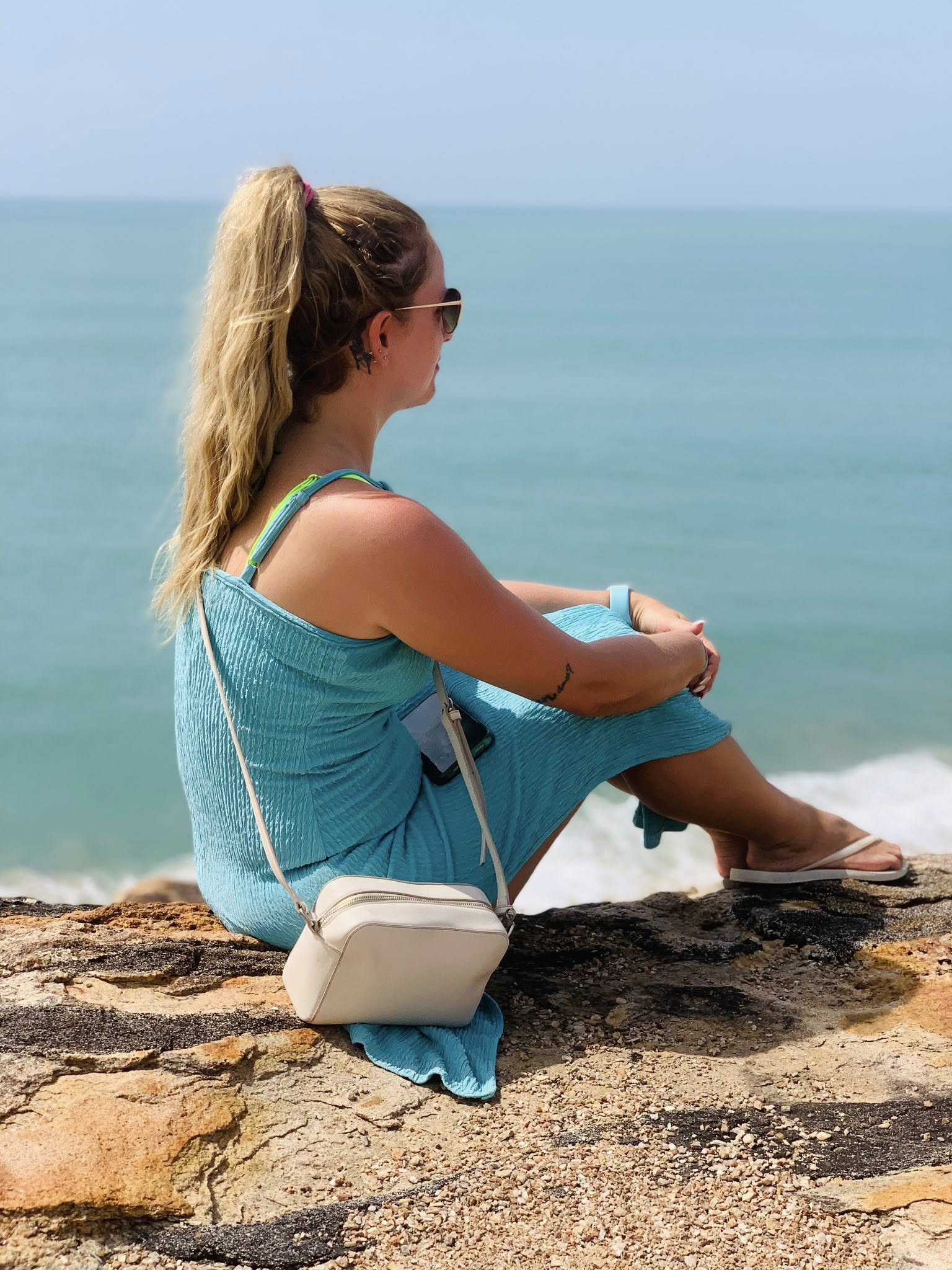
Yes. A cultural route can end with beach time, chosen by season — the south and west coast from December to April, or the east coast (Trincomalee, Nilaveli, Pasikuda, Arugam Bay) from May to September.
Can this cultural tour be customized? +
Yes. Every itinerary is a starting point. The sites, pace, hotels, walking level, and route can all be tailored to your interests, travel month, and comfort, including how much of the north and east to include.
Is May to September good for Jaffna, Trincomalee, and Batticaloa? +
Yes. The north and east, including Jaffna, Trincomalee, and Batticaloa, generally enjoy their better, drier conditions from around May to September, when the east coast usually works better than the south and west. This makes the route especially useful for summer travel.
Are the north and east suitable for first-time visitors? +
Yes, with the right expectations. The north and east offer a distinct, rewarding side of Sri Lanka — Tamil and Hindu heritage, eastern coastal culture, and quieter regions — though they involve longer drives and simpler infrastructure than the classic south. A private chauffeur-guide makes them very accessible.
Are the drives longer on north and east cultural tours? +
Yes. This route covers more of the island, so several days involve longer drives, particularly to Jaffna and along the east coast. It is best suited to travellers comfortable with a deeper regional journey, and the pace and stops are arranged to keep the driving days manageable.